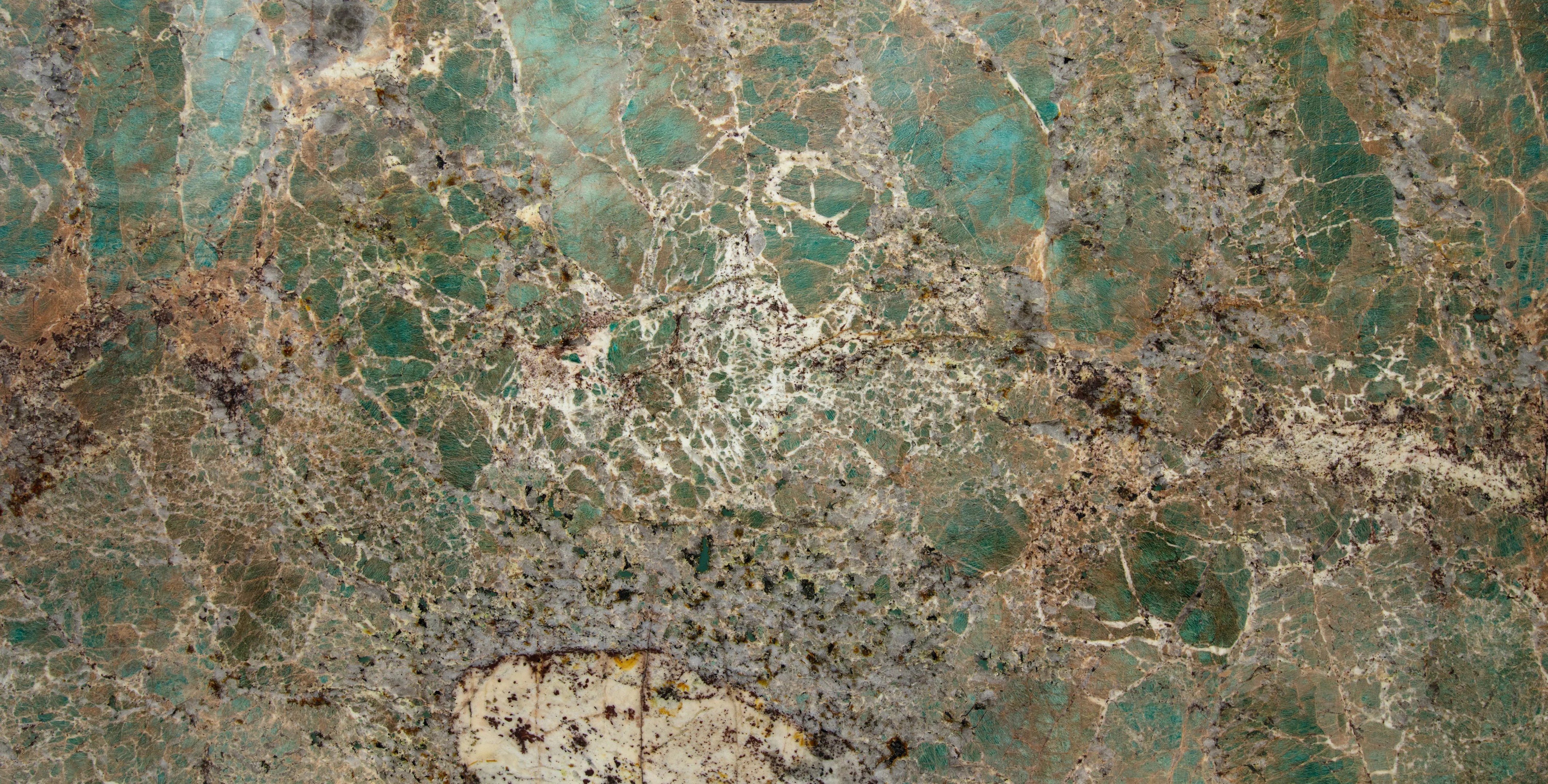
Amazonita
Discovered in the 1960s in Ubatuba, on the coast of São Paulo, it is a charnockite, also known as granite with hypersthene, a mineral that gives the rock its characteristic dark green hue. In addition to its homogeneous and intense color, Verde Ubatuba has an exceptional shine when polished and a curious photosensitivity: over time, under the action of sunlight, its deep green can acquire discreet golden tones. Between the 1960s and 1980s, Verde Ubatuba was widely mined and exported, contributing to the region's economic development. When local quarries were halted, green granite from states such as Espírito Santo and Bahia began to be marketed under the same name. In 2025, a mining company in Ubatuba officially resumed quarrying the stone in its standard location, bringing the real Verde Ubatuba back onto the market.


1.26% (average)
0.40% (low)
150.2 MPa (high)
0.41m (average)
15.2MPa (very high)
Green Ubatuba
Discovered in the 1960s in Ubatuba, on the coast of São Paulo, it is a charnockite, also known as granite with hypersthene, a mineral that gives the rock its characteristic dark green hue. In addition to its homogeneous and intense color, Verde Ubatuba has an exceptional shine when polished and a curious photosensitivity: over time, under the action of sunlight, its deep green can acquire discreet golden tones. Between the 1960s and 1980s, Verde Ubatuba was widely mined and exported, contributing to the region's economic development. When local quarries were halted, green granite from states such as Espírito Santo and Bahia began to be marketed under the same name. In 2025, a mining company in Ubatuba officially resumed quarrying the stone in its standard location, bringing the real Verde Ubatuba back onto the market.


Amazonita
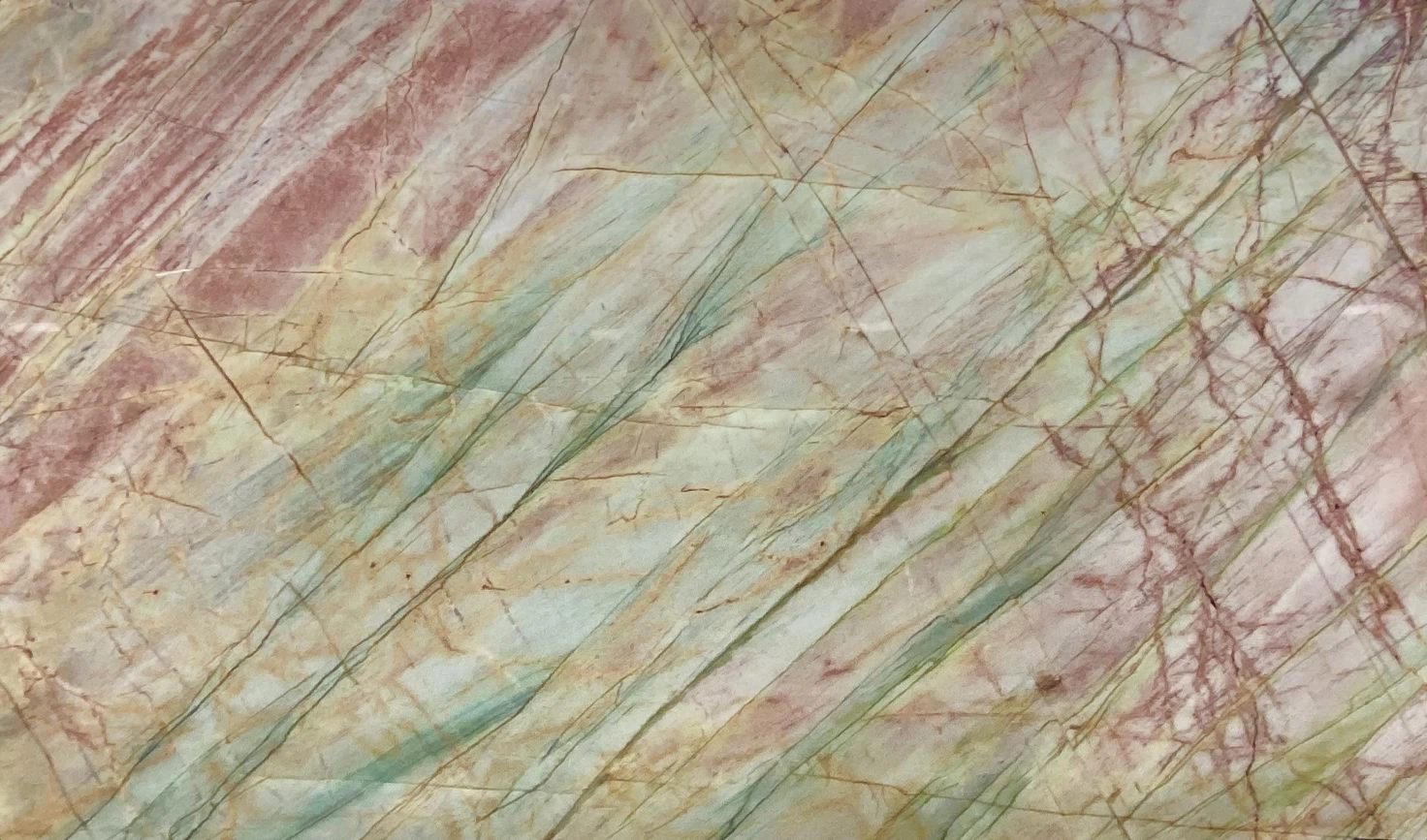
Aurora Borealis
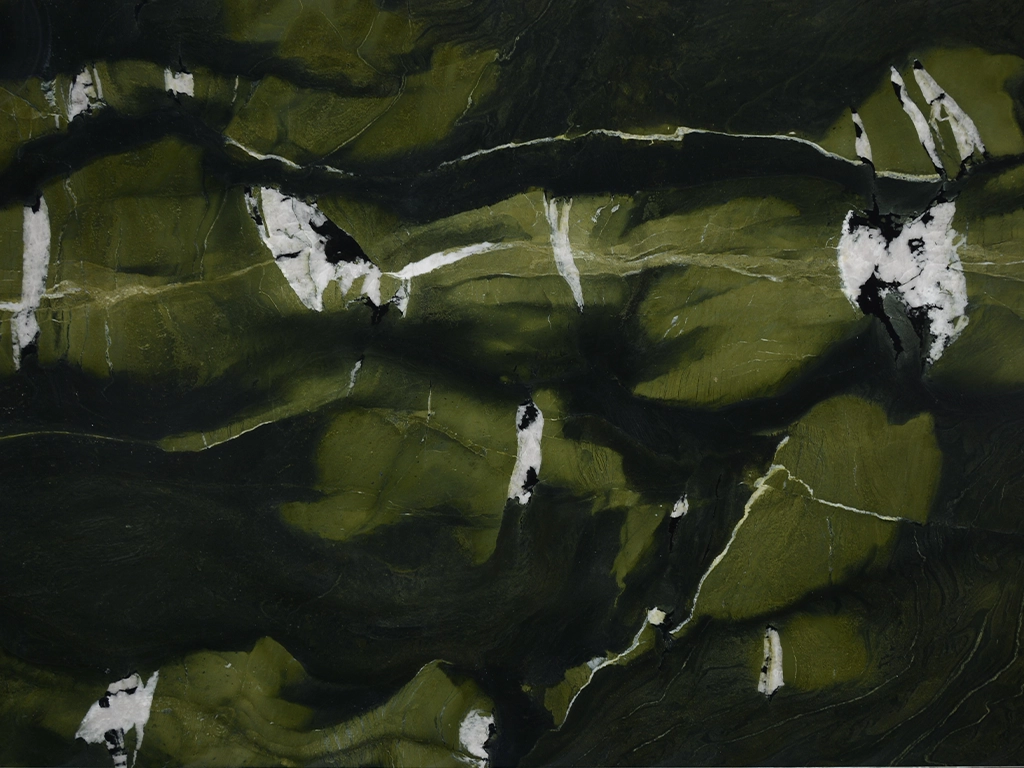
Avocatus
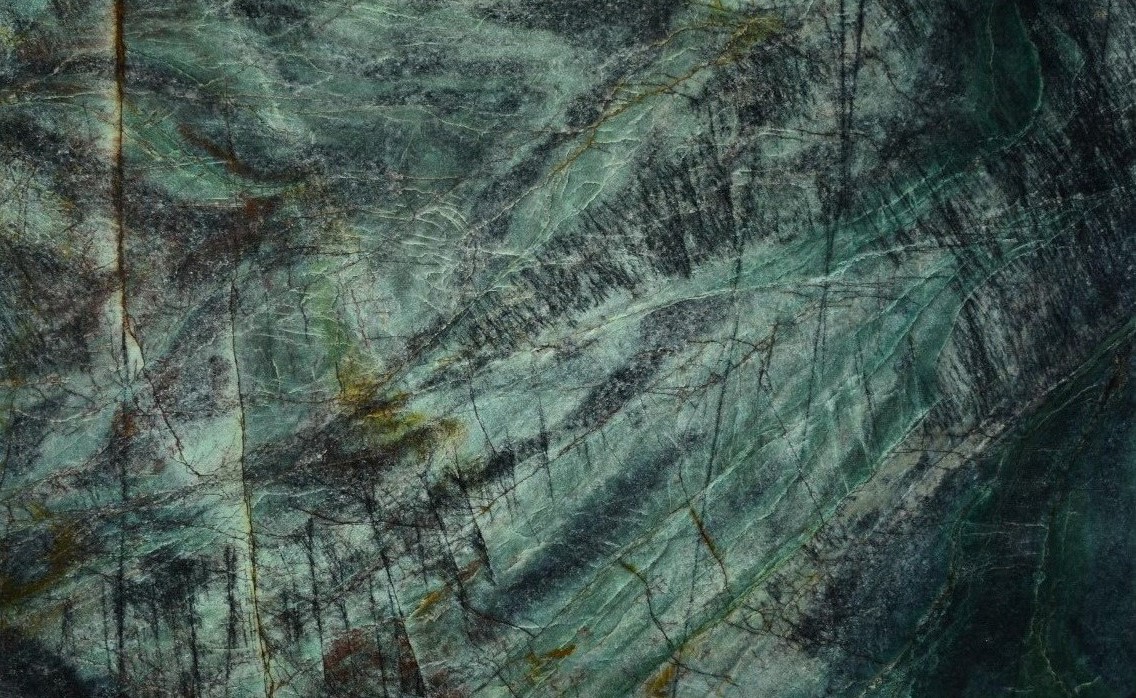
Blue Velvet
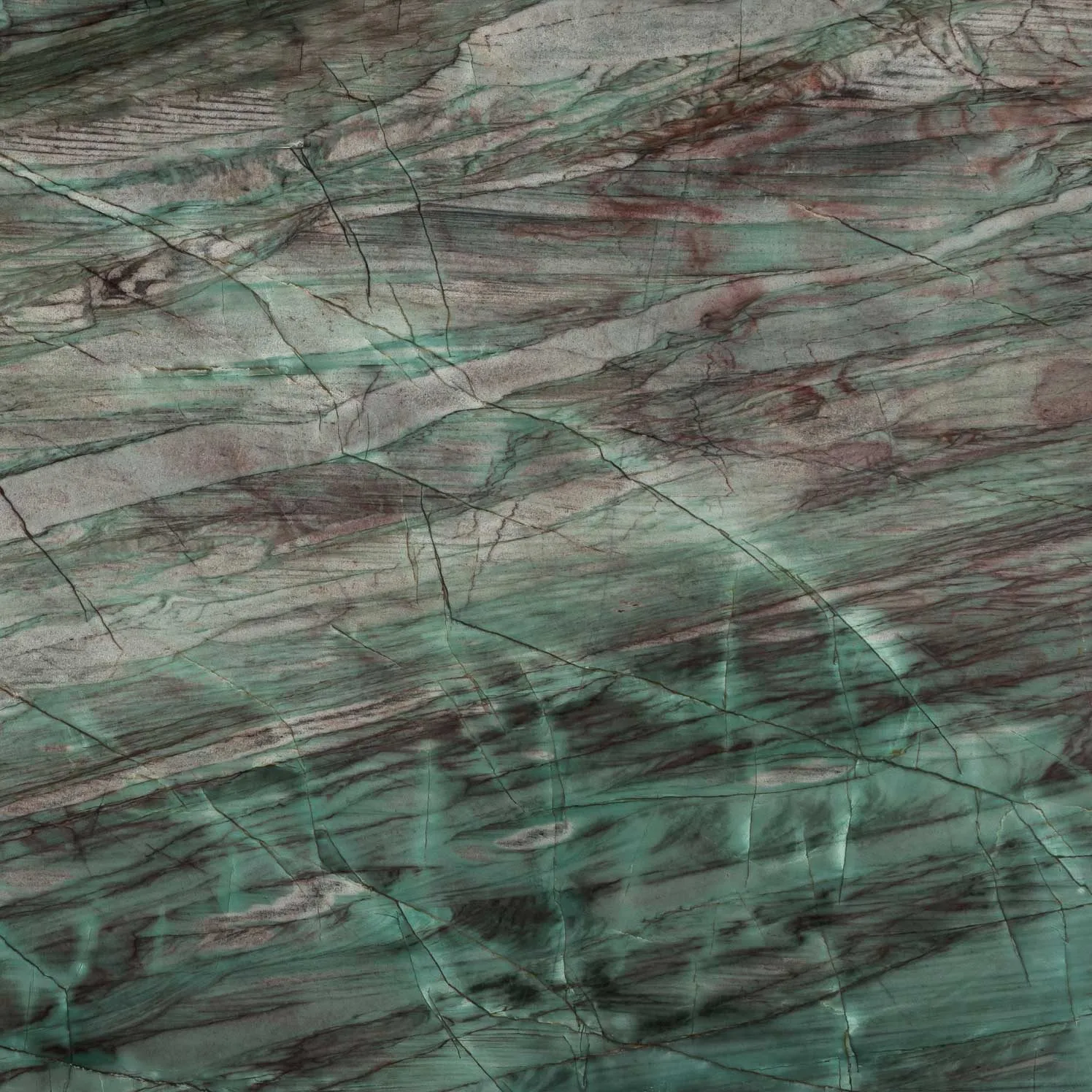
Botanic Bordeaux
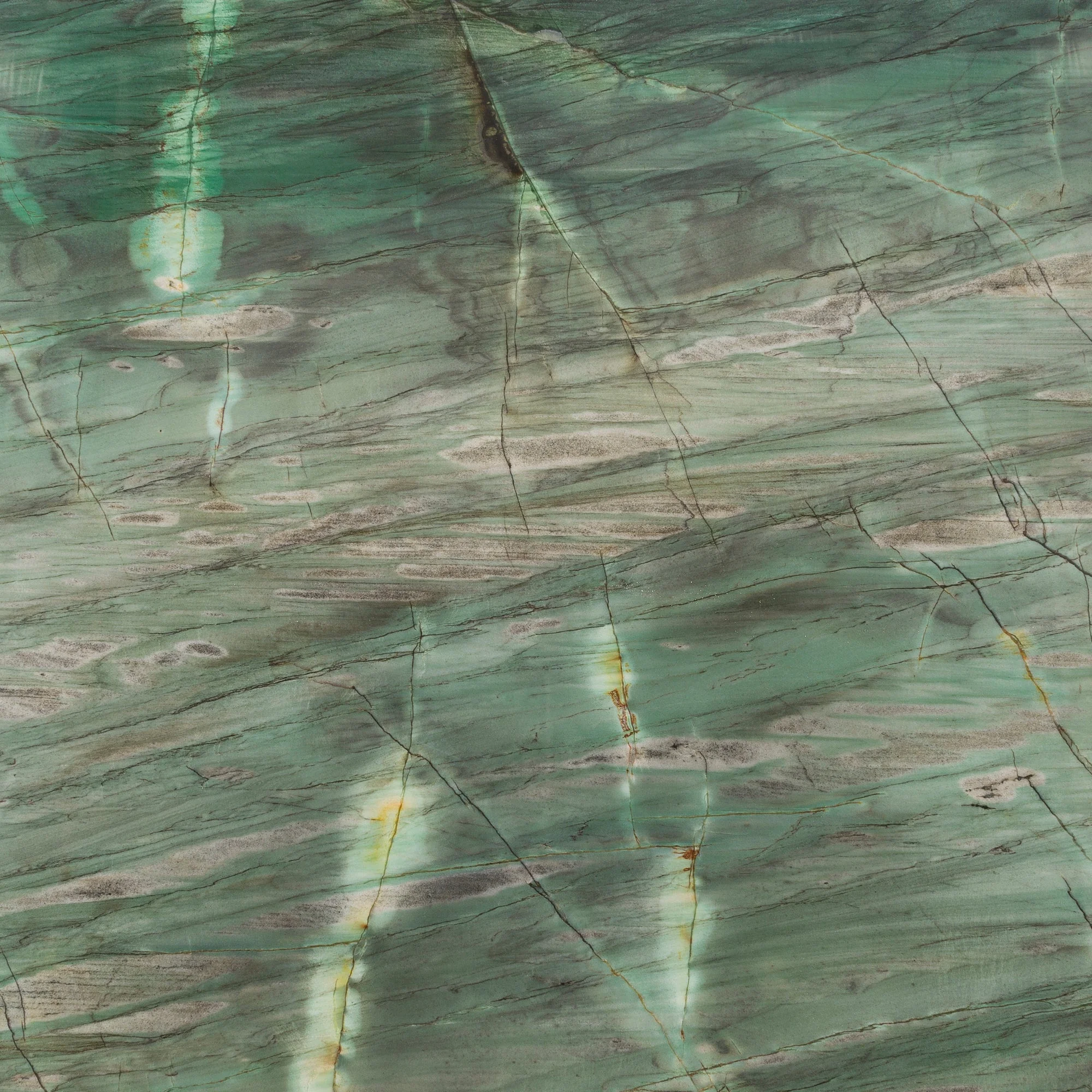
Botanic Green
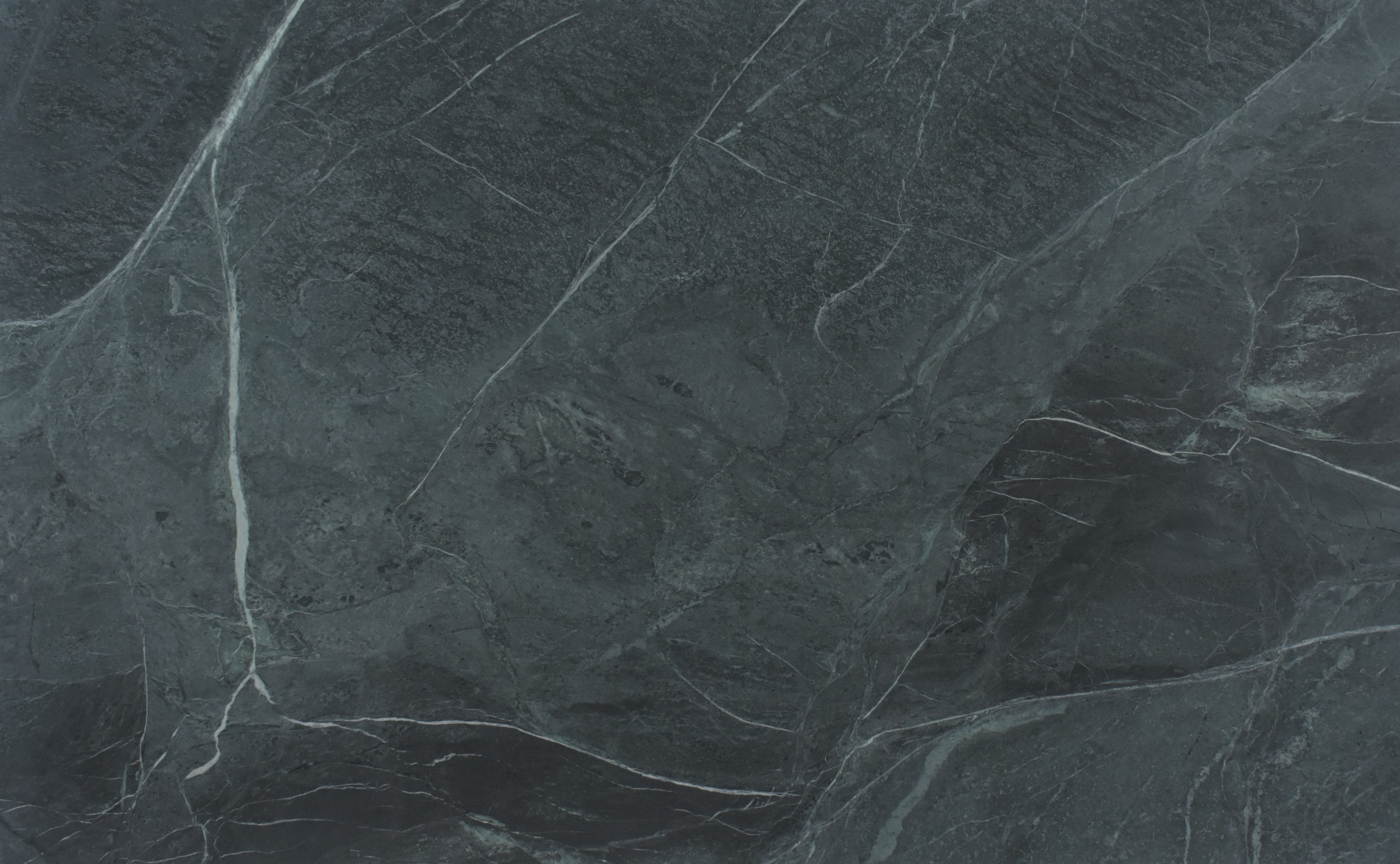
Botanic Soapstone
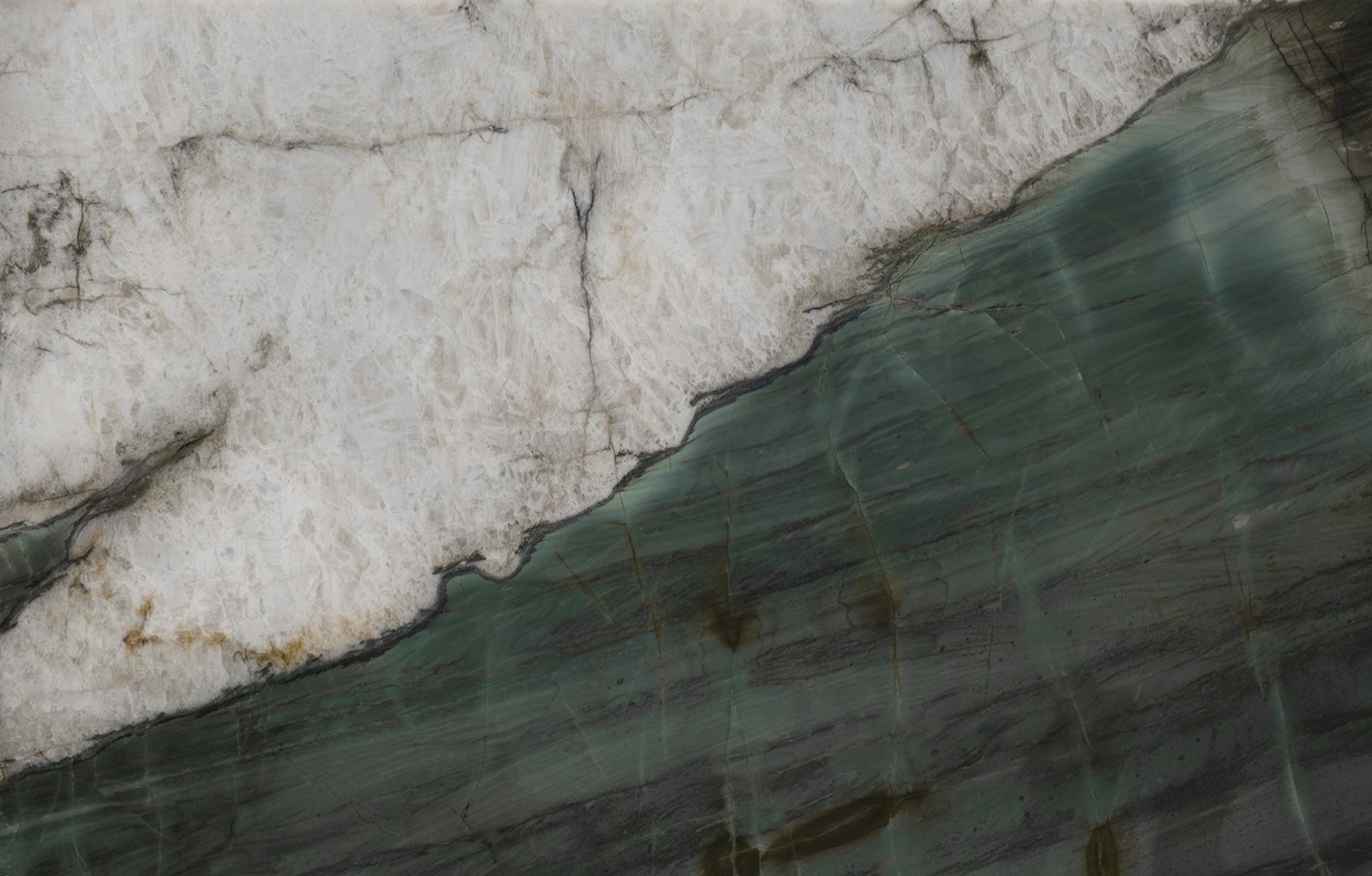
Botanic Wave
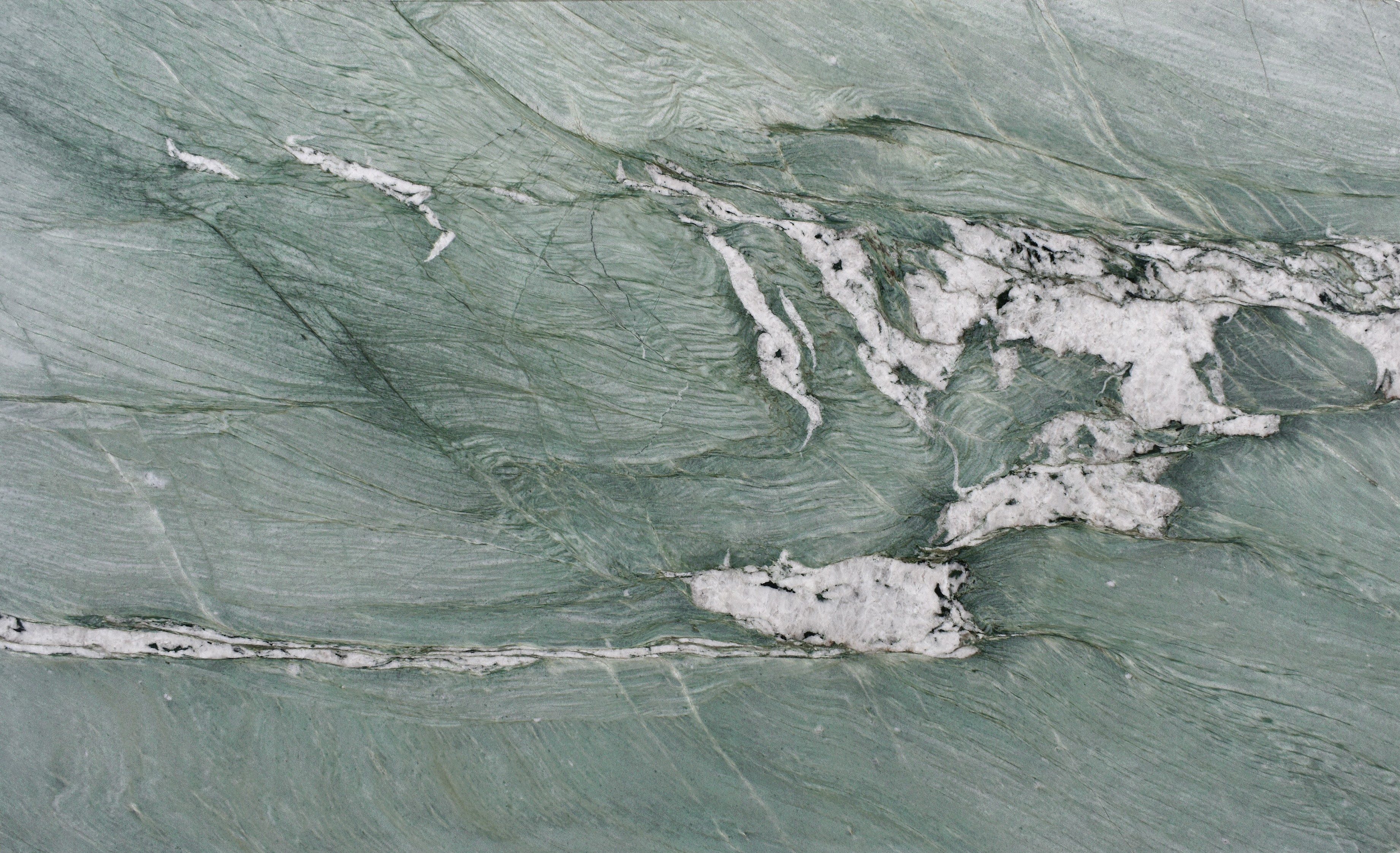
Crystal Del Mare
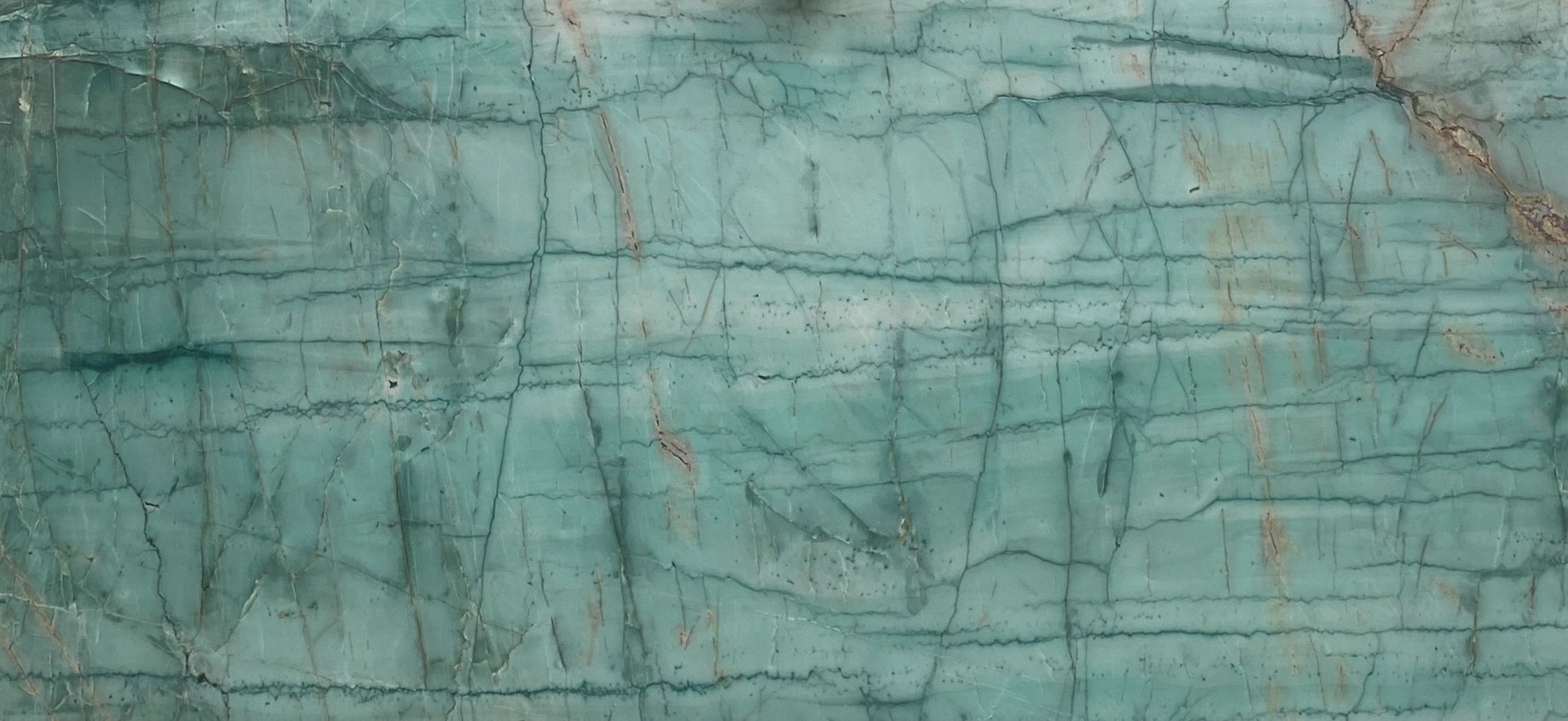
Da Vinci